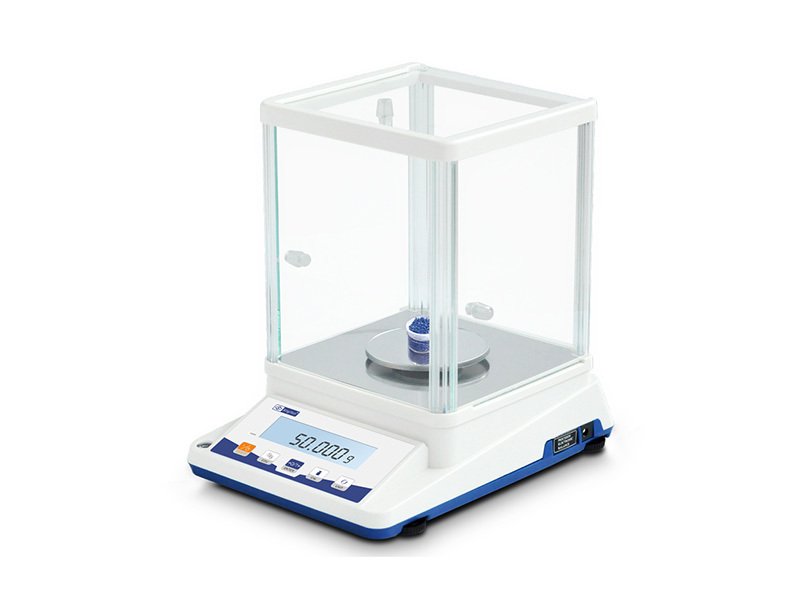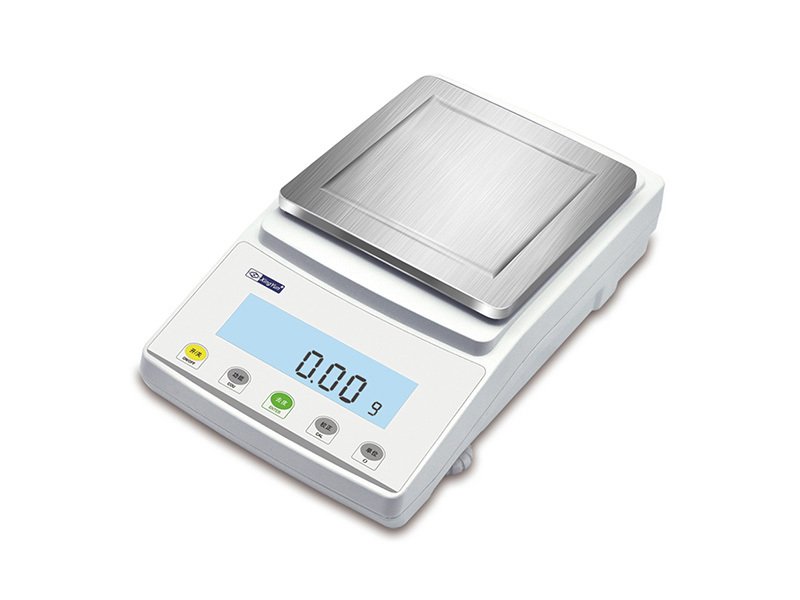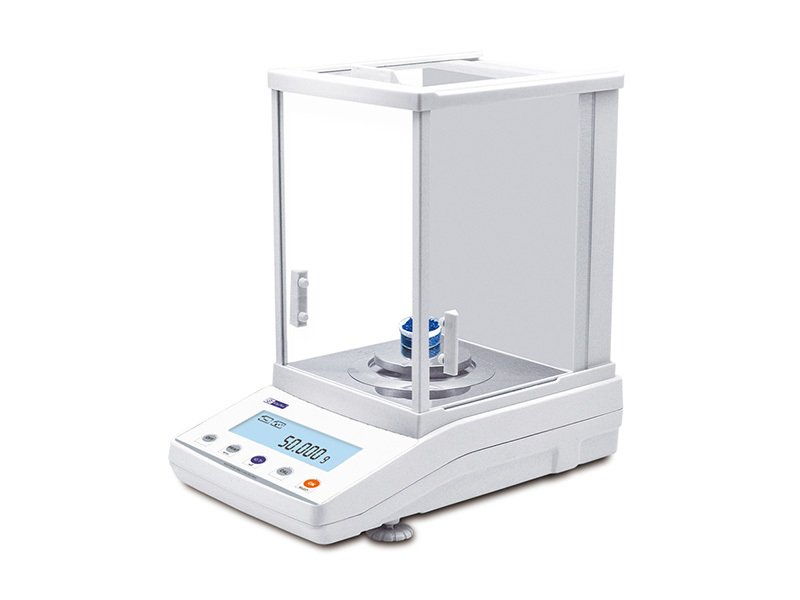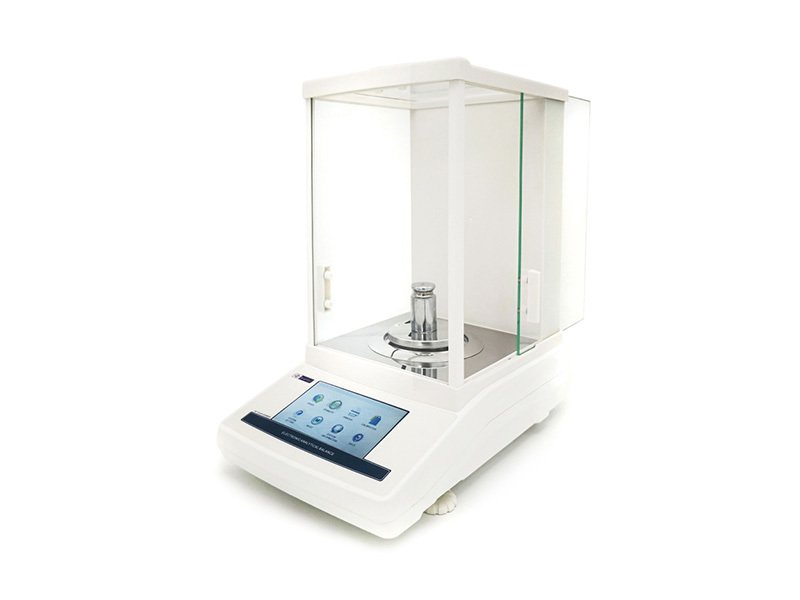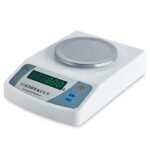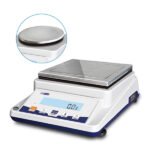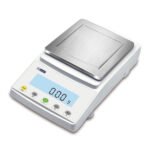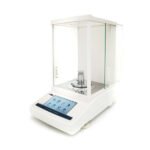
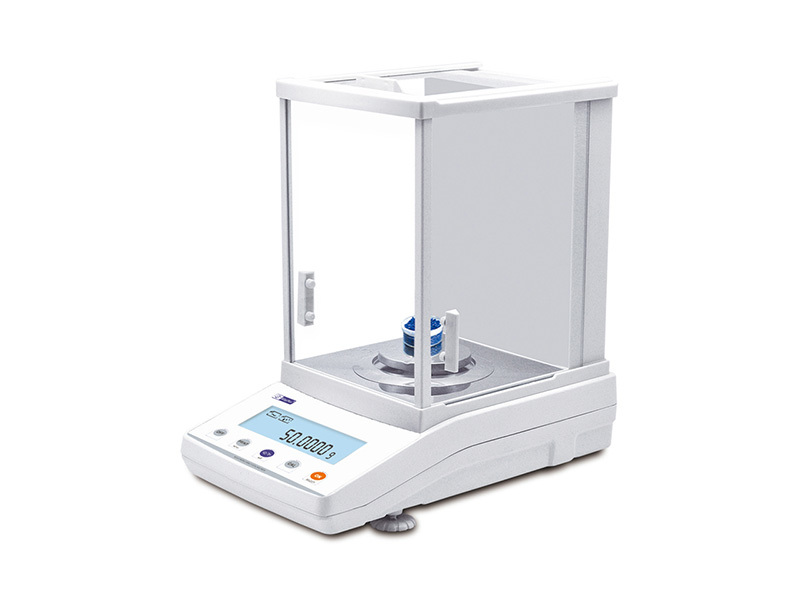
A laboratory balance is a precision instrument used to measure the mass of an object with a high degree of accuracy. They are essential for scientific and industrial applications like research, quality control, and chemical analysis, and can measure anything from liquids to solids. Common types include analytical, precision, and top-loading balances, which vary in their sensitivity, accuracy, and capacity.
Lorem ipsum dolor sit amet, consectetur adipiscing elit, sed do eiusmod tempor incididunt ut labore et dolore magna aliqua.
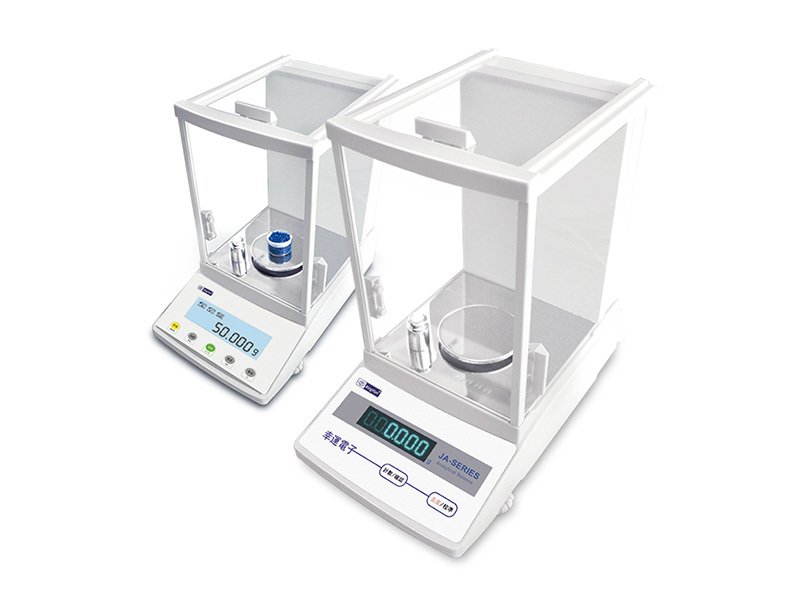
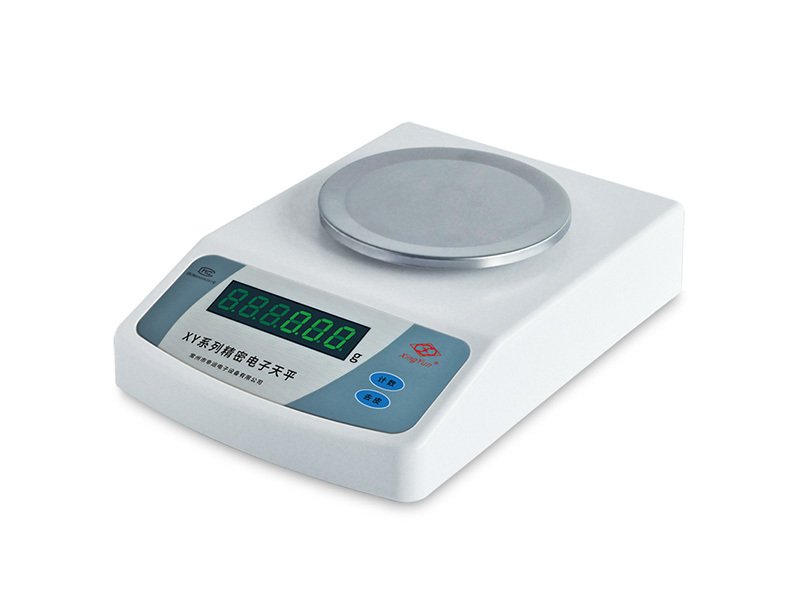
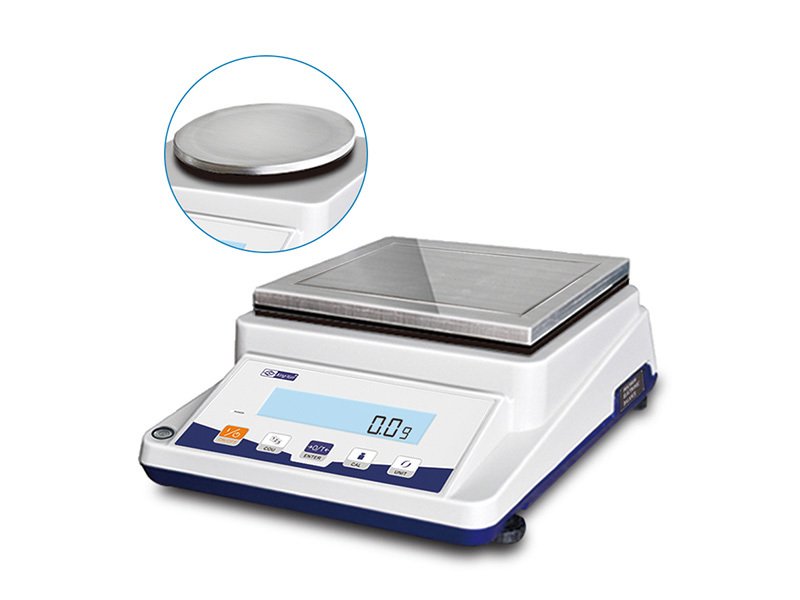
An analytical balance is a highly precise weighing instrument that can typically achieve an accuracy of ±0.0001 grams (i.e., 0.1 milligrams), which is more accurate than ordinary platform scales. It is widely used in laboratories, scientific research, analytical chemistry, and quality control, among other fields. The weighing accuracy of an analytical balance is generally between 0.1 milligrams and 0.001 milligrams, making it suitable for measuring the mass of trace substances.
● What types of laboratory balances are there?
● What is the working principle of laboratory analytical balances?
● What are the core components of analytical balances?
● How to purchase laboratory balances?
● How to choose laboratory balances of different precision grades?
● How to determine the range of the balance when purchasing laboratory balances?
● How to judge the quality of analytical balances?
● What influences the performance of balances in laboratory environments?
● How to calibrate laboratory analytical balances?